A house fire changes everything in minutes. The flames are out, the smoke has cleared, and you are standing in what used to be your living room, trying to process what just happened. The adrenaline fades, and the reality sets in: you need help, and you need it fast. But here is the problem—when you are overwhelmed and exhausted, it is easy to hire the first fire damage restoration company that answers the phone. That decision, made in crisis mode, determines whether your home gets restored properly or whether you are dealing with smoke odor, hidden damage, and insurance headaches six months from now.
Choosing the right contractor is not about who has the best website or the lowest bid. It is about finding someone who understands fire science, insurance documentation, and the difference between “looks clean” and “is actually safe.” These seven questions separate contractors who know what they are doing from those who are winging it.
Question 1: Are Your Technicians IICRC Certified in Fire and Smoke Restoration?
The Institute of Inspection, Cleaning and Restoration Certification sets the industry standards for fire restoration cleaning. IICRC Fire and Smoke Restoration Technician (FSR) certification means technicians have been trained in smoke behavior, soot chemistry, and proper cleaning protocols—not just general cleaning methods adapted to fire scenes.
Ask specifically about FSR certification. If the contractor cannot show you certification cards or talks vaguely about “training,” you are likely dealing with a general contractor who handles fire jobs occasionally, not a specialist. Fire residue is chemistry. Wet smoke from slow-burning fires requires different treatment than dry smoke from fast-burning fires. Protein residue from kitchen fires is nearly invisible but smells terrible and etches surfaces if not addressed correctly.
I have seen homeowners hire uncertified contractors who cleaned fire-damaged walls with household degreasers. Three weeks later, the soot residue had redeposited across freshly painted surfaces because the cleaning chemistry was wrong for the residue type. They paid twice—once for the bad cleaning, once to fix it.
Question 2: How Do You Handle Smoke Odor—and Can You Explain Why?
Anyone can rent an ozone machine. Not everyone understands when ozone works, when it makes things worse, and what else needs to happen first. Legitimate fire damage restoration services treat odor as a residue problem, not just a smell problem.
Ask the contractor to walk you through their smoke remediation process. The answer should include residue identification, removal of unsalvageable porous materials, thorough cleaning of all surfaces, HVAC system assessment, and targeted odor treatment based on residue type. If they jump straight to “we fog the house” or “we run ozone,” they are skipping the foundational work that actually eliminates odor sources.
Here is why this matters: ozone does not remove soot. It chemically alters some odor molecules temporarily. If you run ozone over uncleaned surfaces, you are masking the smell while acidic soot continues etching glass, corroding metals, and penetrating porous materials. Six months later, the odor returns because the source was never removed—and now you have permanent surface damage ozone cannot fix.
Question 3: What Documentation Do You Provide for Insurance Claims?
Fire damage restoration is almost always insurance-driven. The quality of your contractor’s documentation directly affects whether your claim gets paid in full, gets partially denied, or drags on for months.
Ask what their standard documentation includes. You want daily progress reports, an itemized scope of work with before-and-after photos, a detailed inventory of contents removed or cleaned, and air quality testing results if requested by your adjuster. A contractor experienced in insurance work knows what adjusters need to see and provides it proactively.
I watched a homeowner’s claim get delayed four months because their contractor provided a one-page handwritten invoice with no photos, no material list, and no timeline documentation. The adjuster had no way to verify what work was actually done. The homeowner ended up paying out of pocket for re-documentation from a second contractor just to get the claim moving again.
Question 4: How Do You Test for Hidden Damage Behind Walls and in HVAC Systems?
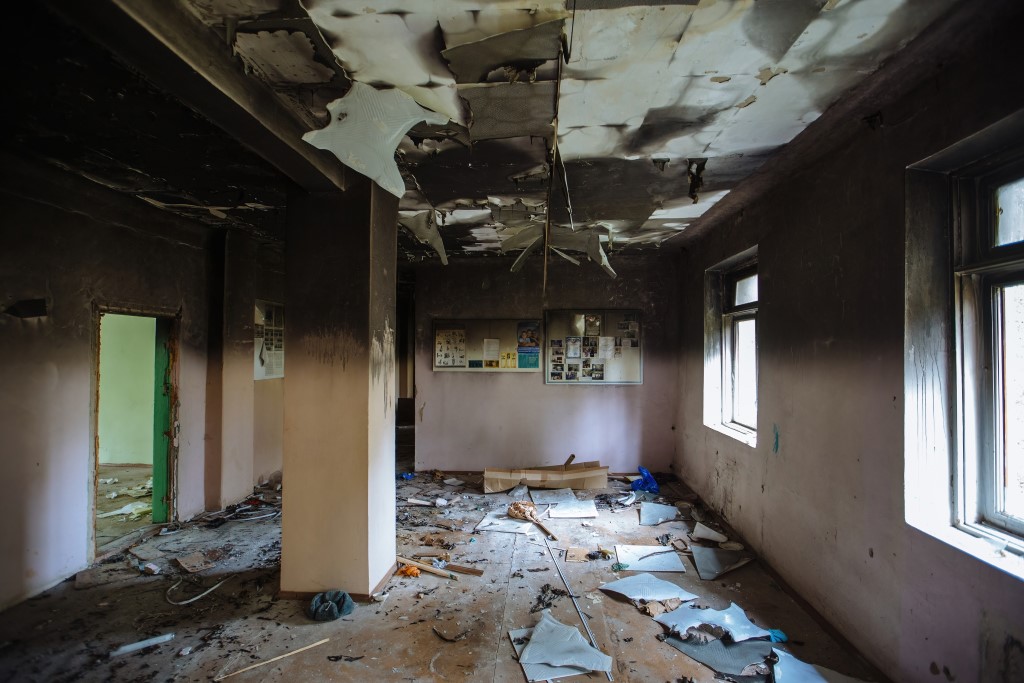
Visible fire damage is obvious. Hidden damage is what comes back to haunt you. Smoke travels through wall cavities, ductwork, and attic spaces. Soot deposits in places you cannot see and continues off-gassing for months if not properly addressed.
Ask how they assess hidden damage. The answer should include thermal imaging to identify heat penetration patterns, HVAC inspection and testing, and moisture assessment if water was used in suppression. A fire restoration contractor who only addresses what is visible is leaving contamination behind.
According to the National Fire Protection Association, smoke and heat can travel through a building’s ventilation system and deposit residues in rooms far from the actual fire source. A kitchen fire on the first floor can contaminate bedroom closets on the second floor through HVAC distribution—but you will not know it without duct inspection and air quality testing.
Question 5: What Happens to My Contents—and How Do You Decide What’s Salvageable?
Not everything can be saved, but professional contents restoration can recover items many homeowners assume are total losses. The key is knowing which cleaning methods work for which materials and which items genuinely cannot be decontaminated.
Ask about their contents handling process. Legitimate contractors inventory everything, photograph items before removal, clean salvageable contents using appropriate methods for each material type, store cleaned items in a controlled environment, and provide detailed documentation for insurance.
I have seen fire restoration cleaning specialists save smoke-damaged leather furniture, electronics, and even paper documents using ultrasonic cleaning, dry cleaning solvents, and document freeze-drying. I have also seen contractors declare everything unsalvageable because they did not have the training or equipment to attempt restoration. The difference was tens of thousands of dollars in content losses.
Question 6: How Long Will This Take, and What Determines the Timeline?
Fire damage restoration services are not a one-week project. Between structural drying, smoke remediation, contents cleaning, and reconstruction, realistic timelines run weeks to months depending on severity.
Ask for a detailed timeline broken down by phase. A contractor who promises “two weeks start to finish” for anything beyond a small, contained fire is either inexperienced or lying. Structural drying alone takes days. Smoke cleaning takes longer. Reconstruction depends on material availability and permitting.
The Insurance Information Institute notes that fire and lightning claims take an average of 60–90 days from initial filing to final settlement for moderate losses. Your restoration timeline runs parallel but is often longer because reconstruction cannot begin until the claim approves the scope and materials.
Question 7: Can You Provide References from Recent Fire Restoration Jobs?
Anyone can claim expertise. References prove it. Ask for contacts from clients who had fire restoration work completed in the last year—not five years ago, not just general restoration, specifically fire.
When you call references, ask about communication, timeline accuracy, insurance coordination, and whether odor problems came back after completion. A strong fire restoration contractor will gladly provide references because satisfied clients are their best marketing.
If a contractor hesitates, makes excuses about privacy, or only offers one or two vague references, walk away. Legitimate contractors have a trail of satisfied clients willing to vouch for their work.
Frequently Asked Questions:
Q1: Should I get multiple quotes before choosing a fire restoration contractor?
Yes, but understand what you are comparing. The lowest bid often means corners will be cut—inadequate smoke cleaning, minimal contents restoration, or incomplete documentation. Compare scope of work, certifications, insurance coordination experience, and references alongside price. The goal is not the cheapest contractor; it is the contractor who will restore your home correctly the first time.
Q2: How soon after a fire should restoration work begin?
Immediately. Smoke residue is acidic and continues damaging surfaces every hour it sits. Soot etches glass, corrodes metals, and penetrates porous materials deeper with each passing day. Indianapolis fire restoration teams should begin stabilization and assessment within 24 hours of the fire being extinguished. Delays turn recoverable damage into permanent losses.
Q3: What if my insurance company recommends a specific contractor?
You have the right to choose your own contractor. Insurance companies often have preferred vendor lists, but you are not required to use them. Evaluate any contractor—whether insurance-recommended or independently chosen—using the same criteria: certifications, experience, documentation quality, and references. Choose based on who will do the best work, not who the insurance company prefers.
Final Thoughts:
Hiring a fire restoration contractor in the chaos immediately after a fire feels overwhelming, but asking these seven questions protects you from contractors who promise more than they can deliver. IICRC certification, proper smoke remediation protocols, thorough documentation, hidden damage assessment, professional contents handling, realistic timelines, and verifiable references—these are not nice-to-haves.
They are the baseline standards that separate legitimate restoration professionals from contractors who leave you with lingering odors, insurance disputes, and incomplete recovery. Your home deserves a contractor who understands fire science, not just general construction.